The Work
How we work with your body
A deeper look at the therapies, tools, and clinical approaches that shape your care at Sacred Roots.
The pelvic floor refers to a group of muscles that lay at the very base of your pelvis. It's responsible for maintaining your continence, keeping your pelvic organs in place, and plays a critical role in sexual function and enjoyment. The pelvic floor is in constant conversation with your breath, your hips, your nervous system, and the organs it supports. When something goes wrong, the source is rarely where the symptoms are.
Pelvic floor therapy at Sacred Roots starts from that premise. Rather than treating a diagnosis, we're looking at you as a whole system, tracing the patterns, compensations, and connections that brought you here. That might mean working with your hips and abdomen when you're experiencing bladder urgency. It might mean looking at your breathing mechanics when you're experiencing pain. It might mean addressing something in your daily movement patterns that no amount of manual work alone would fix.
Evaluating and treating the pelvic floor directly provides us with an initial baseline of function and allows us to measure progress and provide deep insight as we work toward your goals. Depending on your symptoms and comfort level, direct pelvic floor work may include a visual assessment of the muscles and external tissue quality, external evaluation of the surrounding structures including the abdomen, hips, and outer pelvic floor, or an internal assessment through the vaginal canal to directly evaluate muscle tone, tenderness, coordination, strength, and ability to relax. You will always know what's coming and why before it happens.
Pelvic floor dysfunction shows up across all bodies and all life stages. If you've been told your symptoms are normal, that nothing is wrong, or surgery or medication is your only option, this is for you.
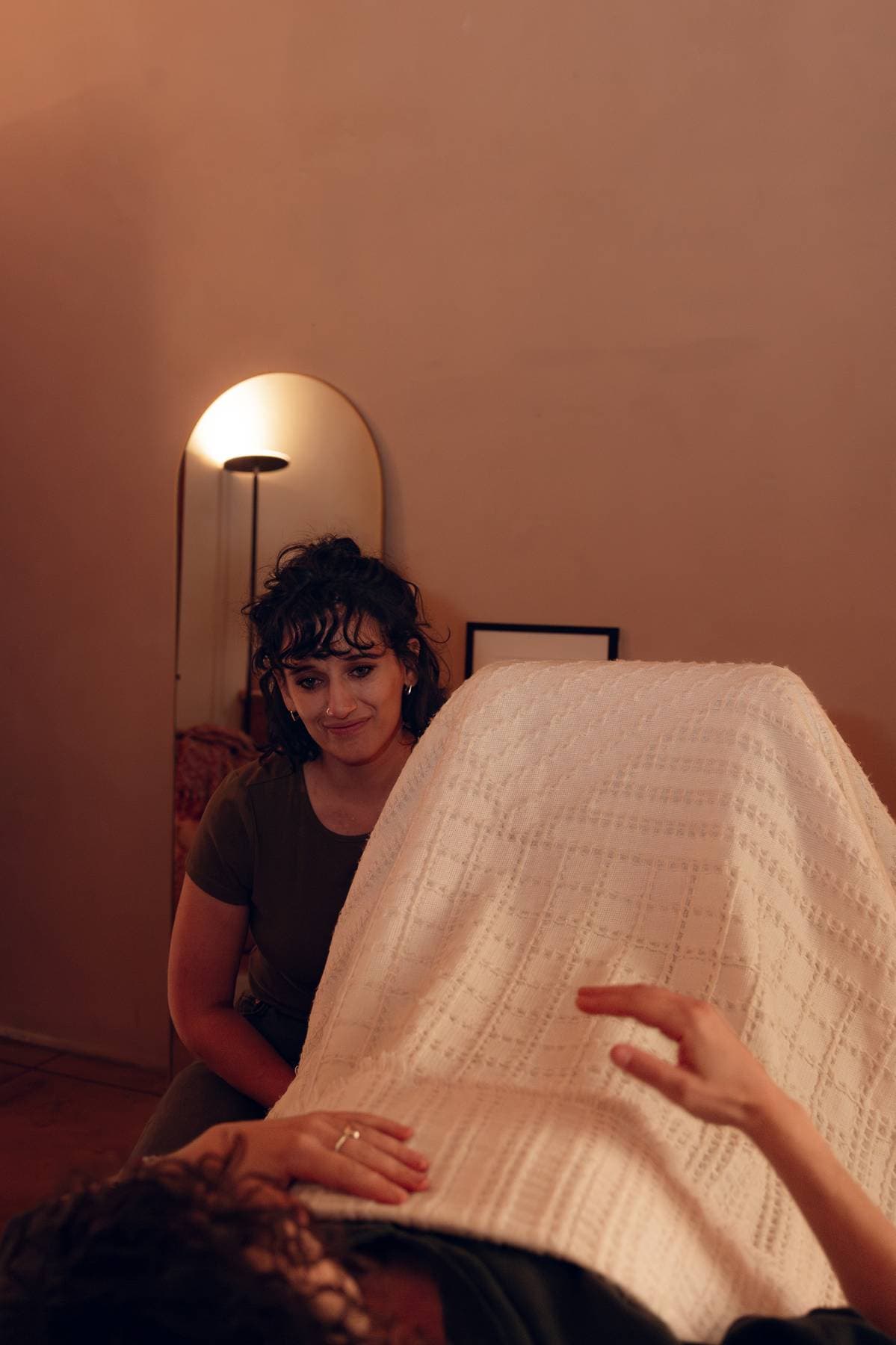
Fascia is the continuous web of connective tissue that surrounds and threads through every structure in the body, including the cranium, organs, and muscles. It's richly innervated, capable of actively contracting, and when compressed or chronically stressed, becomes dense and restricted, creating pain and dysfunction that often shows up somewhere other than the source.
Myofascial release uses slow, sustained pressure to communicate with that tissue and can be utilized anywhere on the body. Treatment follows the tissue and waits patiently for release rather than forcing it.
The principles of myofascial release can be applied to the skull, face, and cranial base. Using long, still holds, cranial myofascial release works with the fascial and dural tissue of the head and neck to release deep, chronic patterns of tension. The forces involved are gentle yet yield significant shifts in the hours and days that follow treatment.
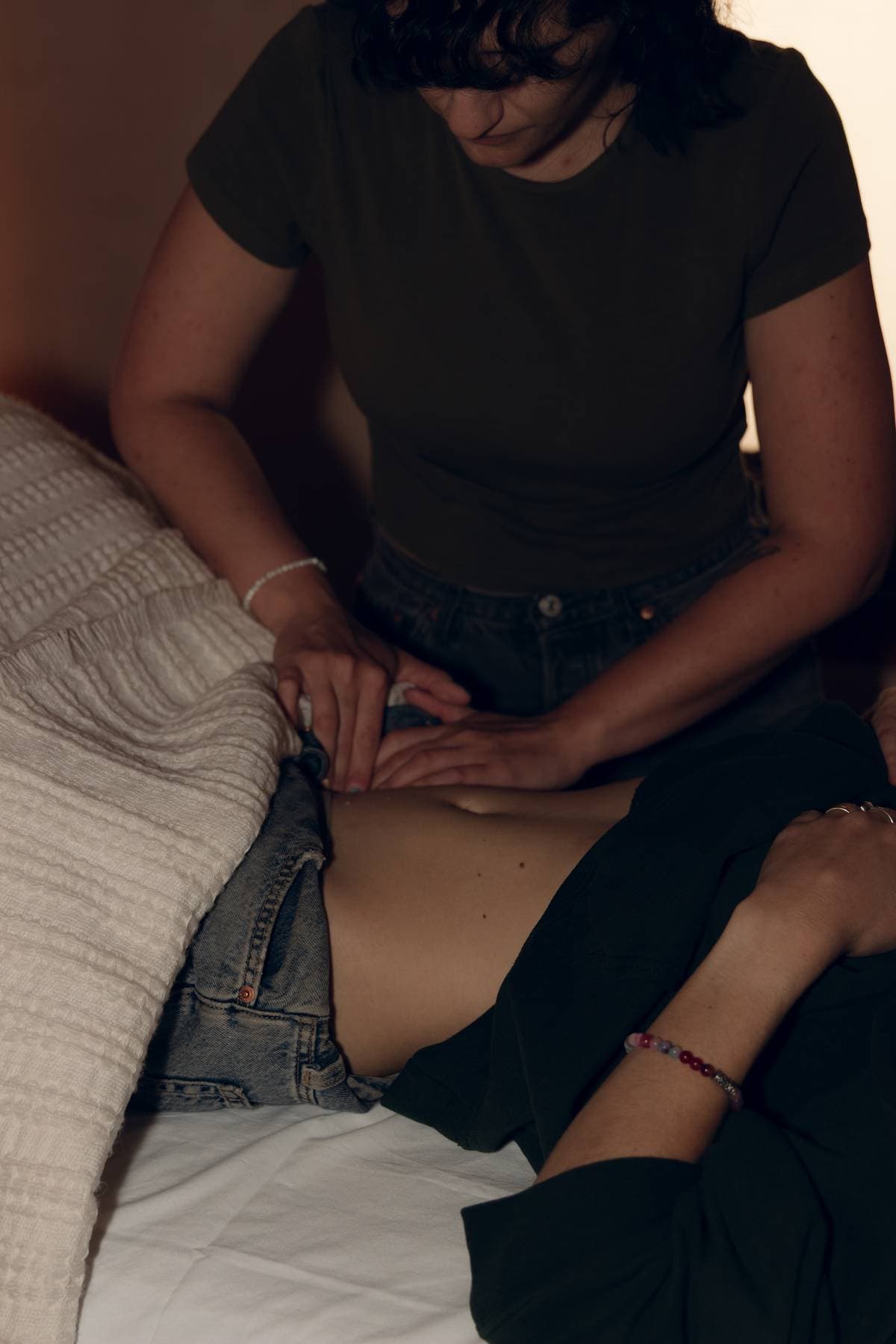
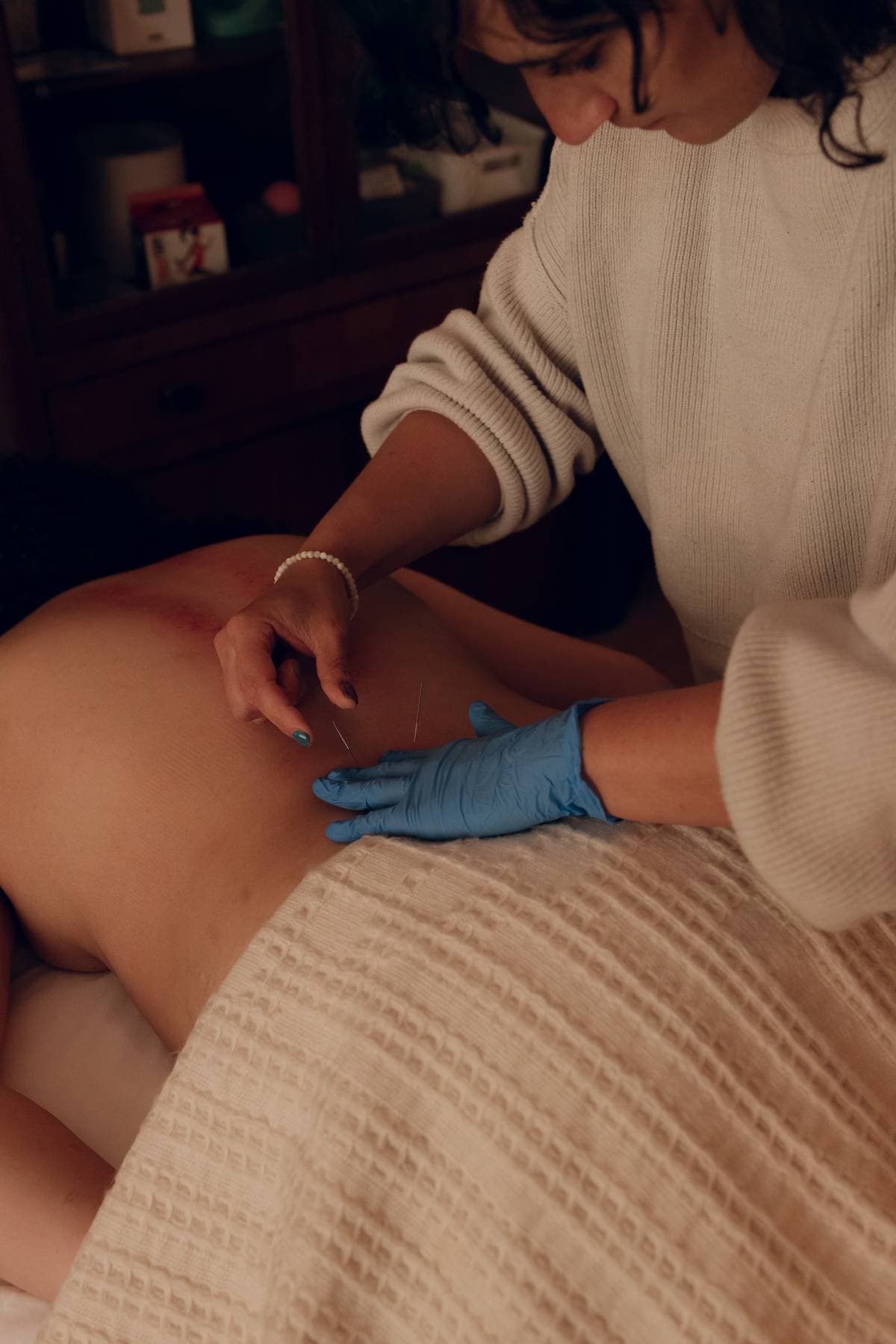
Dry needling uses thin, filiform needles inserted directly into muscle tissue to release trigger points, restore nerve function, and reduce pain. The needle itself contains no medication. The therapeutic effect comes entirely from what the needle does to the tissue and nervous system.
Muscles develop trigger points when a small region of fibers get stuck in a contracted state and the surrounding fascia tightens around it, creating tension that is painful and palpable. When a needle reaches a trigger point precisely, the muscle responds with a deep ache and an involuntary twitch that indicates the nervous system is resetting. It releases the muscular contraction, disrupts the fascial tension pattern, restores blood flow to the tissue, and reduces the chemical buildup that keeps the trigger point stuck. What follows is a meaningful, often immediate change in muscle tone and pain.
Electrical stimulation can be applied through the needles to sustain and deepen that neurological reset, which is particularly useful for muscles that are deeply tense or slow to respond.
Red Light Therapy is a noninvasive treatment that uses a continuous beam of low-energy red or near-infrared light placed over an affected area. It's most commonly known for improving the appearance of fine lines, wrinkles, and age spots in the skincare world. However, research shows that the benefits of Red Light Therapy extend beyond cosmetic changes and may support healing in deeper tissues.
When red or near-infrared light is applied to the body at specific wavelengths, a process called photobiomodulation occurs. This process can enhance cellular energy production, support tissue repair, and reduce inflammation. Certain wavelengths penetrate more deeply, allowing photobiomodulation to influence not only the skin but also underlying muscles and joints.
We use red light therapy to support scar remodeling, reduce delayed onset muscle soreness (DOMS), and help relieve pain associated with inflammation. A typical treatment lasts about 20 minutes and is applied directly over the area needing support, such as a scar, joints, or painful/sore muscles.
Occupational therapists are trained to look at something most providers never consider: not only what you do, but how you do it. Activity analysis is the clinical process of breaking down daily tasks to understand the physical demands they place on your body and whether those demands are contributing to your symptoms. It sounds simple, but the findings are often surprising.
The way you stand while washing dishes, the position you default to when changing a diaper, the way your car seat does or doesn't support your pelvis on a long commute: these are not trivial details. Repeated dozens of times a day, small patterns of loading, leaning, and bracing accumulate to real life consequences for pain, function, and quality of life.
The interventions are often equally simple. Adjusting where you shift your weight, how you hinge, or adding a cushion in the right place can change what your body is being asked to do in a fundamental way. Small changes to how you move through your day can accomplish what manual work or exercises won't touch.
Most people have never had a real conversation with a provider about how they pee or poop, which means most people have no idea whether what they're doing is working for them or against them. Bowel and bladder habits are a clinical intervention at Sacred Roots because the way you use the bathroom has a direct and measurable impact on pelvic floor function.
How often you go, how long you wait, how hard you push, how you sit, how much water you drink and when: these are all details that provide crucial information as to how your pelvic floor is responding to every single day.
Some of the most common things we see: going to the bathroom "just in case" trains the bladder to signal urgency before it's actually full. Chronic straining on the toilet loads the pelvic floor in ways that contribute to prolapse, hemorrhoids, and pain. Hovering over public toilet seats means the pelvic floor never fully releases. Underdoing fluids to avoid urgency actually concentrates urine and irritates the bladder, making symptoms worse.
This is some of the least glamorous and most impactful work we do.
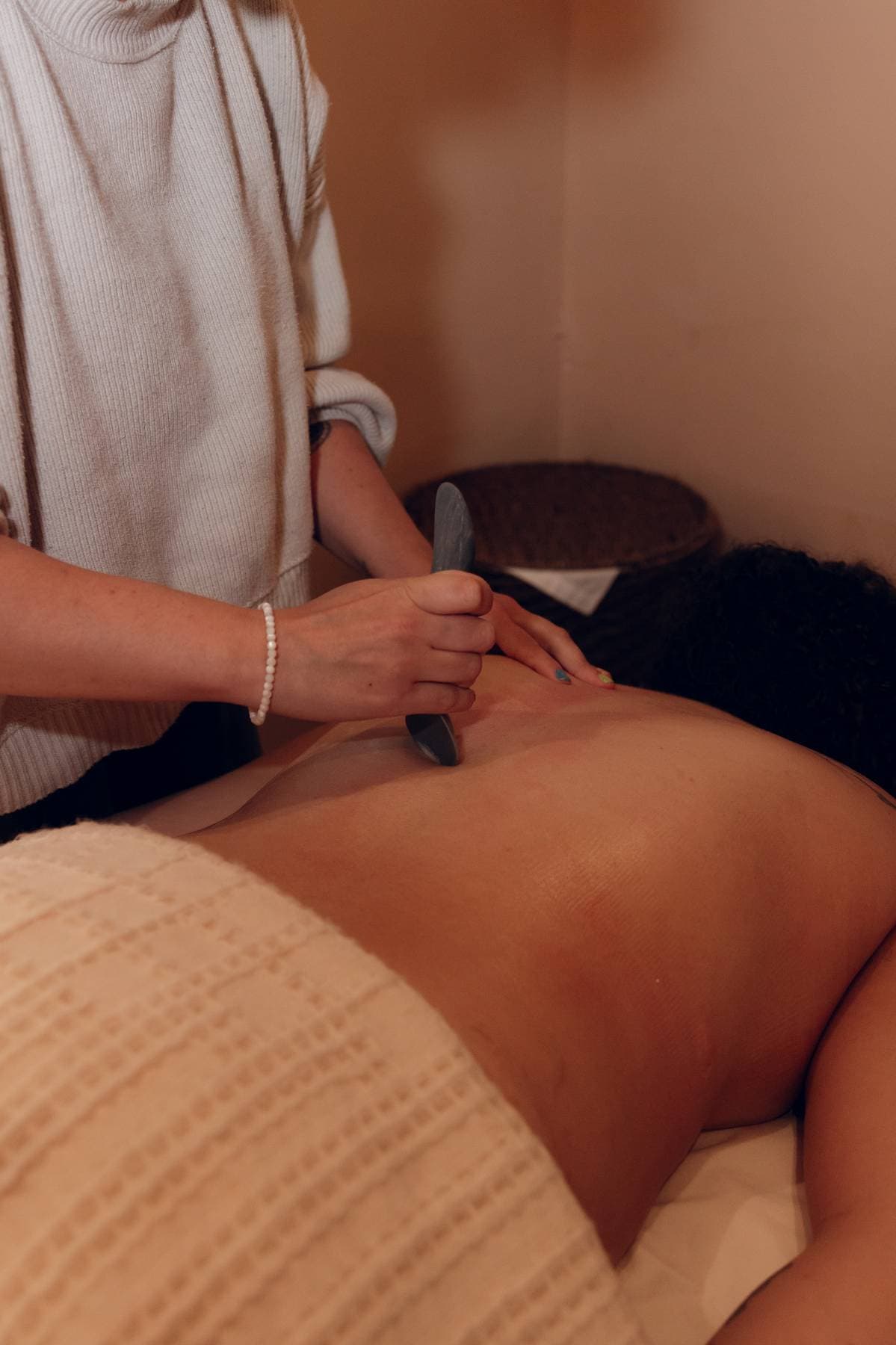
Both cupping and gua sha have been used for thousands of years across traditional Chinese and East Asian medicine. The tools and names have carried forward; our understanding of why they work has evolved alongside modern science. Both techniques work with the superficial layers of tissue, including skin, fascia, and the fluid-filled spaces in between them, using a mechanical force to shift what has become stagnant, compressed, or restricted.
Where most manual therapy pushes into the tissue, cupping and gua sha work differently. Cupping lifts the tissue through suction, creating space and decompression in the layers beneath. Gua sha uses a smooth tool drawn across the skin to mobilize the connective tissue underneath and encourage glide and circulation among the tissue. The result in both cases is increased blood flow, reduced tightness, and a shift in the tissue environment that moves it from chronic stagnation to active healing.
Research has supported both techniques for reducing pain, improving tissue mobility, and decreasing inflammation.
Both techniques can leave temporary marks on the skin that range from light redness to purple bruising that typically resolves within a few days. This is not injury, but visible evidence of increased circulation that the tissue needed.